Unified Reward Mechanisms in Mobile Platforms for Table Games and Sports Betting
Jordan Braun · Jul 9, 2026
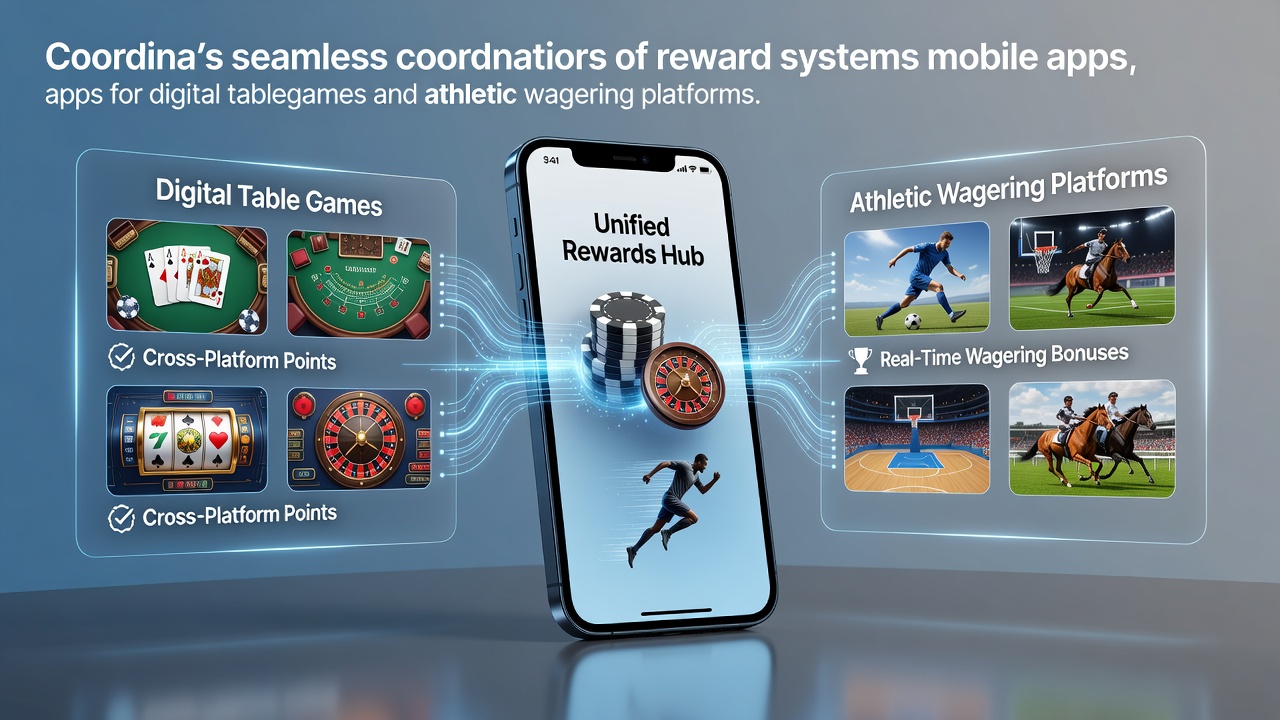
Unified Reward Mechanisms in Mobile Platforms for Table Games and Sports Betting
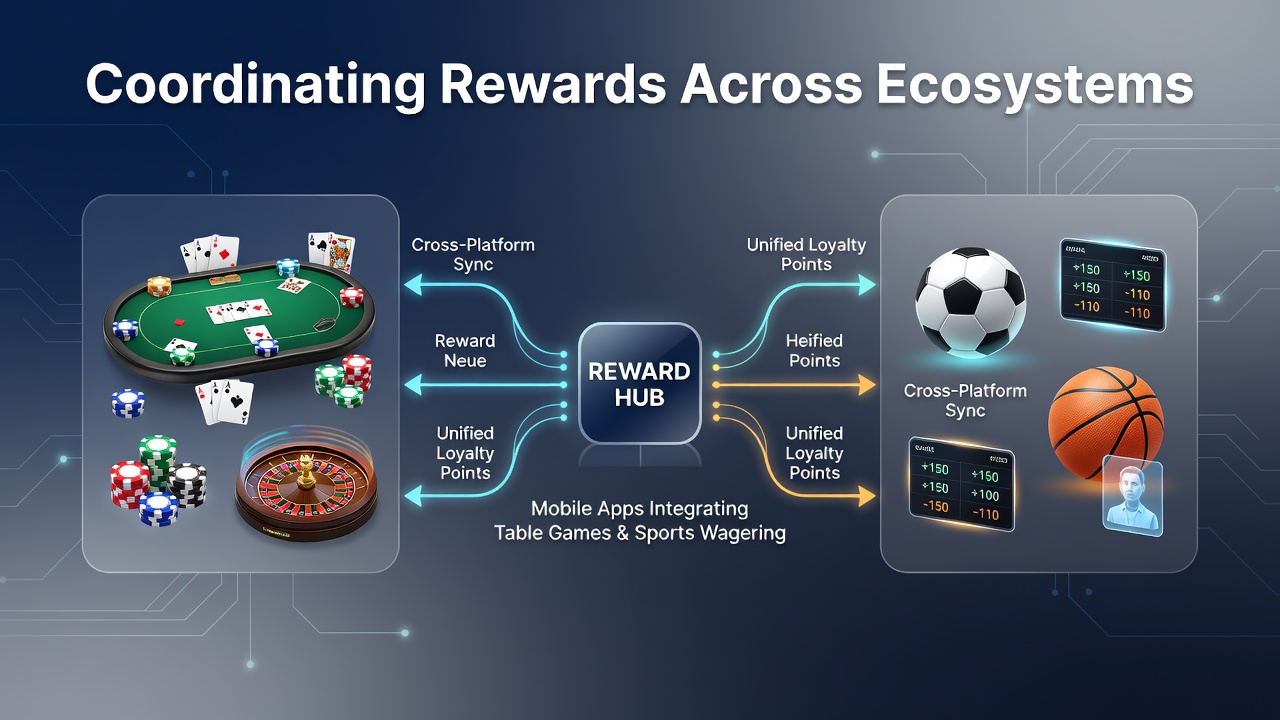
Digital platforms integrate reward systems by linking user accounts across table game sections and athletic wagering modules, which allows points earned from roulette spins or blackjack hands to convert directly into credits for sports accumulators. Developers achieve this coordination through centralized databases that track activity in real time, while APIs push updates from one game category to the shared loyalty ledger without requiring separate logins. Observers note that such architecture reduces friction for participants who switch between live dealer sessions and live odds markets on the same device.
Technical Integration Patterns
Mobile applications rely on unified player profiles stored in cloud servers, and these profiles accumulate data from both digital table environments and athletic event interfaces. When a user completes a round of poker or places a wager on a football match, the system logs the action under a single identifier that triggers tiered bonuses or cashback calculations. Companies implement event listeners within the app code so that activity in one vertical automatically influences progress bars visible in the other, creating seamless visibility without manual transfers. Research from the University of Nevada indicates that synchronized systems increase session lengths by connecting disparate game types under common reward rules.
Cross-Platform Bonus Structures
Reward programs often feature shared multipliers that apply when activity spans both categories, such as earning extra loyalty points for combining a blackjack streak with a basketball parlay on the same evening. These structures use conditional logic that checks participation thresholds across the platform before releasing enhanced payouts, and the logic runs server-side to prevent discrepancies between devices. In July 2026 several operators updated their frameworks to comply with new data portability standards issued by the Pennsylvania Gaming Control Board, which requires clear disclosure of how points move between table and sports sections. Players receive notifications detailing the conversion rates, which helps maintain transparency in the coordination process.
Real-Time Tracking and Notifications
Push notification systems alert users when rewards reach redemption thresholds, and these alerts reference activity from both table games and athletic wagers in a single message. Backend engines calculate combined totals every few seconds, pulling inputs from live dealer streams as well as odds feeds to update balances instantly. Data from the American Gaming Association shows that platforms employing such real-time coordination report higher retention rates among users who engage with multiple product types. The approach avoids siloed point systems that previously forced separate redemptions for casino play versus sports markets.
Security and Compliance Layers
Encryption protocols protect the shared reward ledgers while allowing verification across game categories, and operators apply multi-factor authentication before permitting point transfers or withdrawals tied to coordinated bonuses. Regulatory frameworks in various jurisdictions require audit trails that document every interaction between table game modules and sports betting engines, ensuring that coordinated rewards do not create unintended advantages. Industry reports from the Canadian Gaming Association highlight that standardized logging practices help operators demonstrate fairness when rewards accumulate from mixed activity patterns. These measures operate continuously, updating in response to new compliance directives expected through 2026.
Case Examples from Major Operators
One major platform links roulette wheel outcomes to soccer match wagers by awarding progressive jackpots that draw from both verticals, and the system displays unified progress toward the next payout level on the mobile dashboard. Another operator uses streak bonuses that reset only after inactivity in either table games or athletic events, which encourages consistent engagement across categories. Observers have documented similar implementations where daily login rewards scale based on total volume from blackjack tables and tennis bets combined. Such examples illustrate how coordination logic adapts to different regional rules while maintaining a single user experience.
Conclusion
Mobile applications coordinate reward systems by maintaining unified accounts, applying cross-category multipliers, and delivering real-time updates that span digital table games and athletic wagering. Technical implementations rely on APIs and centralized tracking, while regulatory updates in July 2026 continue to shape disclosure requirements around these mechanisms. The result remains a connected environment where activity in one area directly influences opportunities in the other without separate point pools or manual interventions.