Swift Payment Integration with Tiered Incentive Programs on Mobile Devices for Slot Reels, Dealer Tables, and Sports Match Outcomes
Willa Lang · Aug 6, 2026
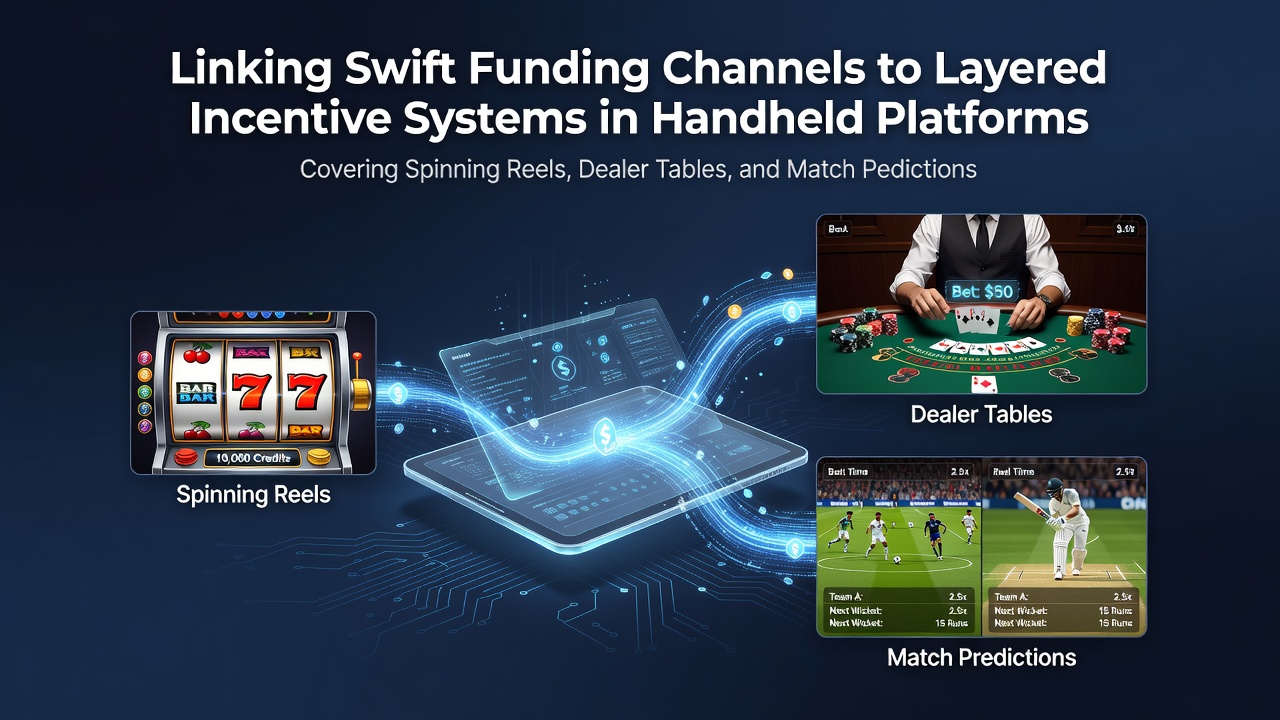
Swift Payment Integration with Tiered Incentive Programs on Mobile Devices for Slot Reels, Dealer Tables, and Sports Match Outcomes
Data from industry analyses shows that handheld platforms now connect rapid funding options directly to multi-tier reward structures, allowing users to access spinning reels, live dealer tables, and match predictions through unified mobile applications, and operators report that these linkages improve transaction speeds while supporting progressive bonus layers across different game types.
Spinning Reels and Deposit-Linked Reward Layers
Spinning reel games on mobile devices incorporate instant deposit channels that trigger immediate entry into layered incentive programs, where initial funding amounts unlock base rewards and subsequent deposits activate higher tiers with increased multipliers or free spin allocations, and operators structure these systems so that payment velocity determines eligibility for escalating benefits without separate registration steps.
Research indicates that platforms using real-time funding verification reduce the gap between deposit and reward activation to under 30 seconds, which in turn supports continuous play sessions that combine standard reel mechanics with accumulating loyalty points redeemable across the same application, and case examples from major providers demonstrate how these connections maintain compliance with regional transaction reporting requirements while delivering automated tier advancements.
Dealer Tables and Live Session Incentives
Live dealer table environments on handheld platforms link swift funding methods to incentive layers that activate during active sessions, granting participants access to progressive rewards such as cashback percentages or table-specific bonuses once a deposit clears through the integrated channel, and system architectures ensure that each verified transaction feeds directly into the user's ongoing reward profile for that particular game category.
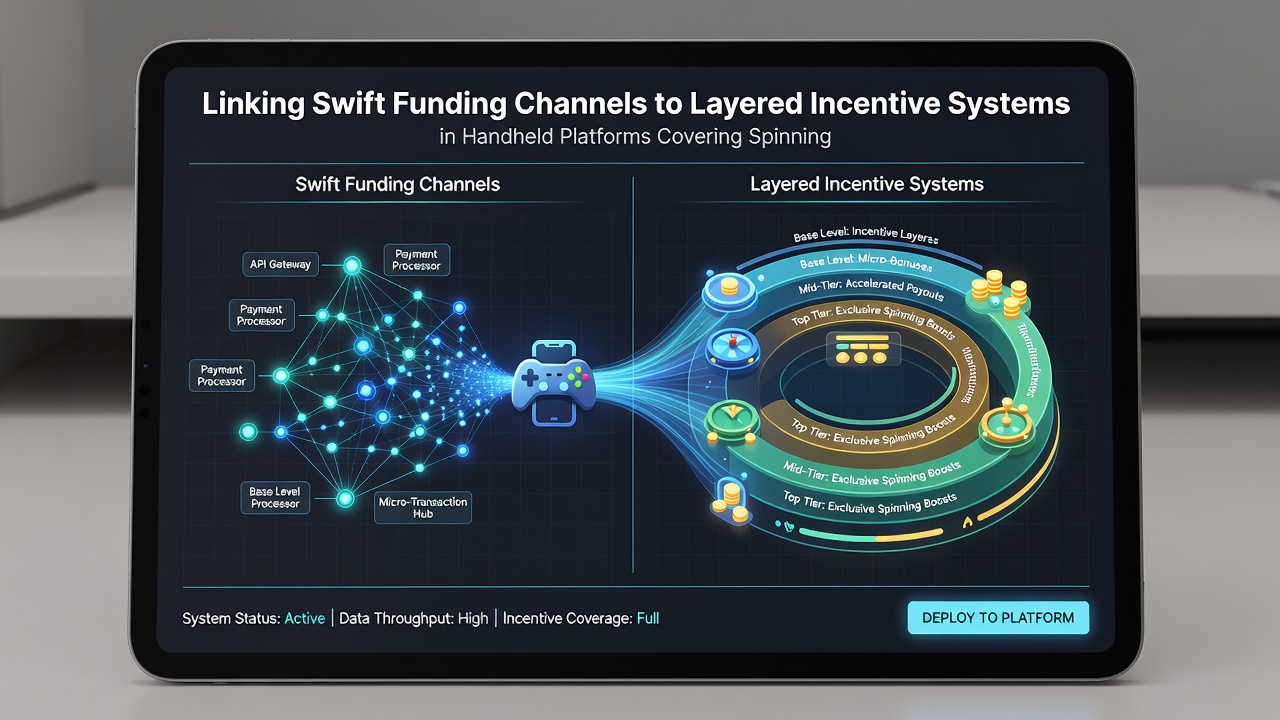
Observers note that this integration allows players to move between dealer tables while carrying forward accumulated incentives from prior deposits, creating continuity that spans multiple live sessions without manual intervention, and technical documentation from platform developers highlights the use of API connections between payment processors and backend reward engines to achieve simultaneous updates across accounts.
Match Predictions and Accumulating Sports Incentives
Match prediction features within the same mobile frameworks connect quick funding channels to layered incentive systems that scale with bet volumes and prediction accuracy, where deposits made ahead of events unlock base promotional credits and repeated activity advances users through higher reward brackets offering enhanced odds or stake protections, and data from platform metrics shows these linkages encourage sustained engagement across different sporting categories.
Analysts at research institutions such as the American Gaming Association have documented how such structures align payment speed with incentive progression to support responsible play limits, and similar approaches appear in reports covering European markets where regulatory frameworks require transparent tracking of both transactions and reward distributions.
Platform Architecture and Cross-Category Linkages
Handheld platform developers combine these elements through centralized user accounts that treat deposits as triggers for unified incentive tracking across spinning reels, dealer tables, and match predictions, enabling a single funding action to influence reward eligibility in multiple sections of the application simultaneously, and this design reduces administrative overhead while providing users with a consolidated view of their current tier status and available benefits.
Technical implementations often rely on encrypted data flows between financial service providers and gaming servers, ensuring that transaction confirmations update incentive ledgers in real time without exposing sensitive account details, and industry conferences held in August 2026 featured presentations on these architectures demonstrating reduced latency in reward delivery compared to earlier segmented systems.
One documented implementation involved a provider that synchronized its payment gateway with a tiered loyalty engine, resulting in automatic advancement notifications sent to users after each qualifying deposit, and similar patterns have emerged in markets outside the UK where operators adapt the same model to local licensing conditions.
Regulatory Context and Compliance Measures
Authorities in various jurisdictions require that layered incentive programs tied to funding channels maintain clear audit trails, with records linking each deposit to specific reward activations across game types, and platforms address these obligations through automated logging that captures transaction timestamps alongside incentive updates for review purposes.
Reports from sources such as the Responsible Gambling Council in Canada outline best practices for maintaining separation between payment processing and reward distribution to support player protection standards, and operators incorporate these guidelines when designing the connections between swift funding and progressive incentives on mobile interfaces.
Conclusion
Current developments show that linking rapid payment channels with multi-level incentive structures on handheld platforms creates interconnected systems covering spinning reels, dealer tables, and match predictions, with data flows and architectural choices enabling consistent reward progression across categories, and ongoing adaptations reflect responses to both technological capabilities and regulatory expectations in multiple regions.