Smartphone Tracking Data Uncovers Player Interest in Merged Slot and Sports Features
Willa Lang · Aug 1, 2026
Smartphone Tracking Data Uncovers Player Interest in Merged Slot and Sports Features
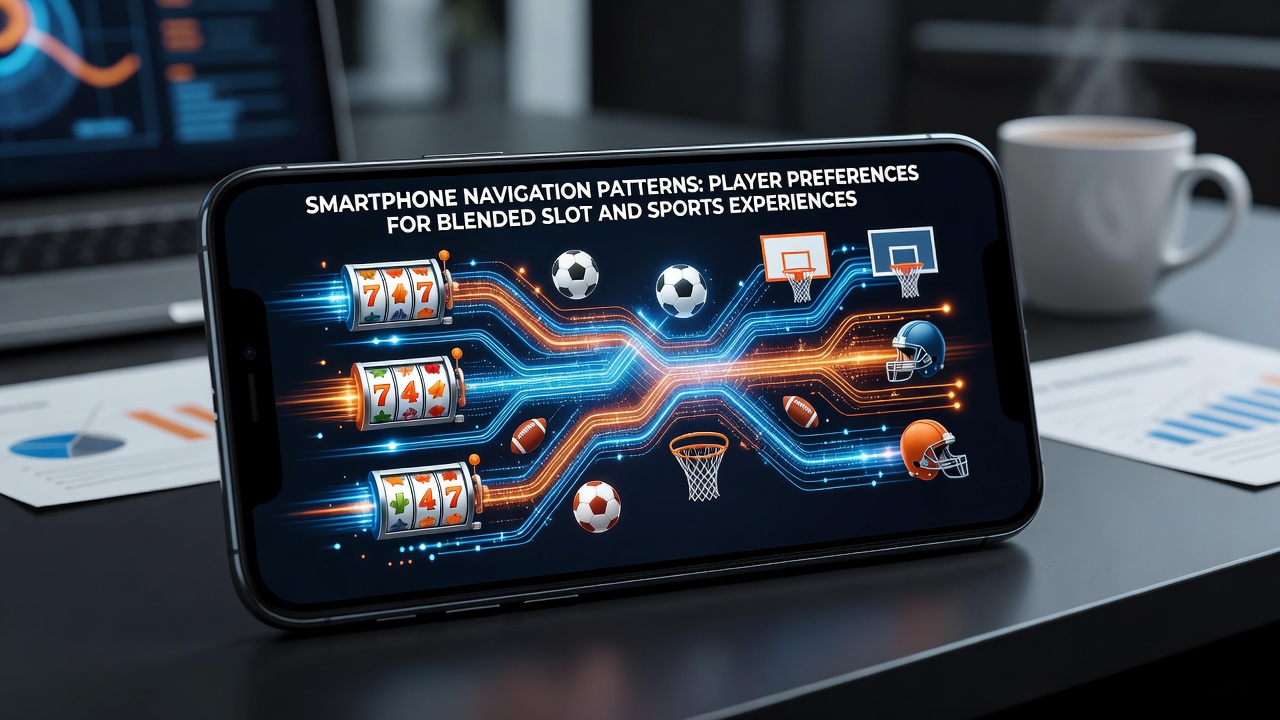
Analysts at major research firms have compiled navigation logs from thousands of smartphone sessions across gaming platforms and those records show clear patterns in how users move between slot selections and sports wagering sections without clear separation in their journeys. Data collected through app analytics tools reveals that players often initiate a session in one category then pivot to another within minutes while maintaining consistent engagement levels throughout the switch.
Collection Methods Behind the Insights
Researchers gathered anonymized telemetry from mobile applications in multiple markets during the first half of 2026 and they focused on metrics such as screen dwell times, menu transitions, and session sequencing. These datasets came from operators who shared aggregated user flow information under strict privacy protocols, allowing teams to map common pathways that connect reel-based games with live odds displays. Studies released around August 2026 by international gaming research groups further highlighted how push notifications for both slot updates and match alerts influence the order in which users explore available options.
One dataset examined over 1.2 million distinct sessions and it indicated that sequences involving slot spins followed immediately by sports bet placements occurred in approximately 38 percent of recorded activities. Another analysis from North American sources tracked swipe and tap patterns to confirm that integrated menus reduced the number of steps required for cross-category movement compared with standalone sections.
Key Patterns in User Movement
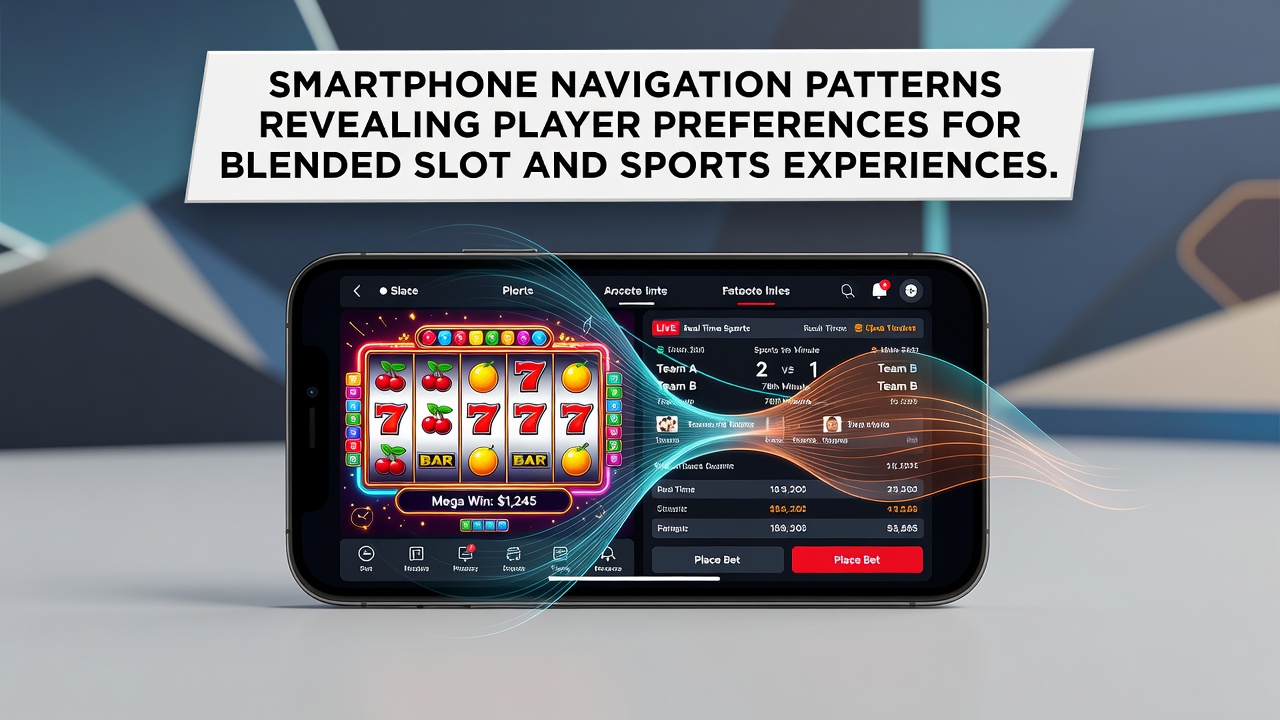
Observers note that many sessions begin with quick checks of sports event schedules before users scroll into slot libraries for shorter play bursts, yet the reverse order also appears frequently when jackpot notifications draw attention first. Heatmap visualizations from these studies display concentrated activity along shared navigation bars that link teh two experiences, suggesting platform designs that separate the categories completely may increase friction for certain player groups. Figures from European industry associations show similar trends in markets where apps present unified account balances and unified reward systems that apply across both verticals.
Additional findings point to time-of-day variations, with evening hours producing longer blended sessions that alternate between categories multiple times. Data from these periods also reveals higher completion rates for multi-leg activities such as placing a sports wager then returning to spin reels while awaiting event outcomes.
Regional Observations and Platform Adjustments
Reports compiled by the Australian Gambling Research Centre detail comparable navigation behaviors among users in that region, where regulatory frameworks allow operators to test combined interfaces under controlled conditions. Those findings align with data gathered by Canadian provincial regulators that examined session logs from provincially licensed apps and noted increased cross-category retention when sports and slots features share similar visual cues and reward mechanics. In both cases, the patterns emerged without direct prompting from operators, indicating organic preferences shaped by interface convenience rather than external incentives.
Platform teams have responded by refining menu architectures to reduce taps between sections, and some have introduced persistent side panels that maintain visibility of both options during active play. Industry groups such as the European Gaming and Betting Association have published guidelines that reference these user flow studies, encouraging designs that respect observed sequences while maintaining clear separation for responsible play tools.
Technical Factors Influencing Preferences
Device-level data further shows that users on larger screen smartphones tend to explore blended paths more extensively because split-view modes allow simultaneous monitoring of slot reels and live sports feeds. Battery and data usage logs indicate that these hybrid sessions consume comparable resources to single-category play, removing one potential barrier to longer engagement. App developers have incorporated predictive loading for both slot assets and odds updates based on these observed habits, which shortens transition delays between activities.
Security protocols that require re-authentication only once per session rather than per category also support smoother movement according to telemetry reviews. These adjustments appear in updates rolled out during mid-2026 and subsequent navigation data reflects continued preference for the unified flow.
Conclusion
Overall the compiled evidence from multiple independent sources demonstrates consistent smartphone navigation trends that link slot and sports experiences through repeated user pathways. Operators and analysts continue to monitor these patterns as new interface iterations appear in global markets, with August 2026 reports providing updated baselines for comparison. The data underscores how technical and design choices shape session structures without altering underlying player choices.