Mapping Digital Pathways: How Integrated Apps Connect Spinning Reels with Live Dealer Sessions and Competitive Sports Markets
Zoe Franke · Aug 8, 2026
Mapping Digital Pathways: How Integrated Apps Connect Spinning Reels with Live Dealer Sessions and Competitive Sports Markets
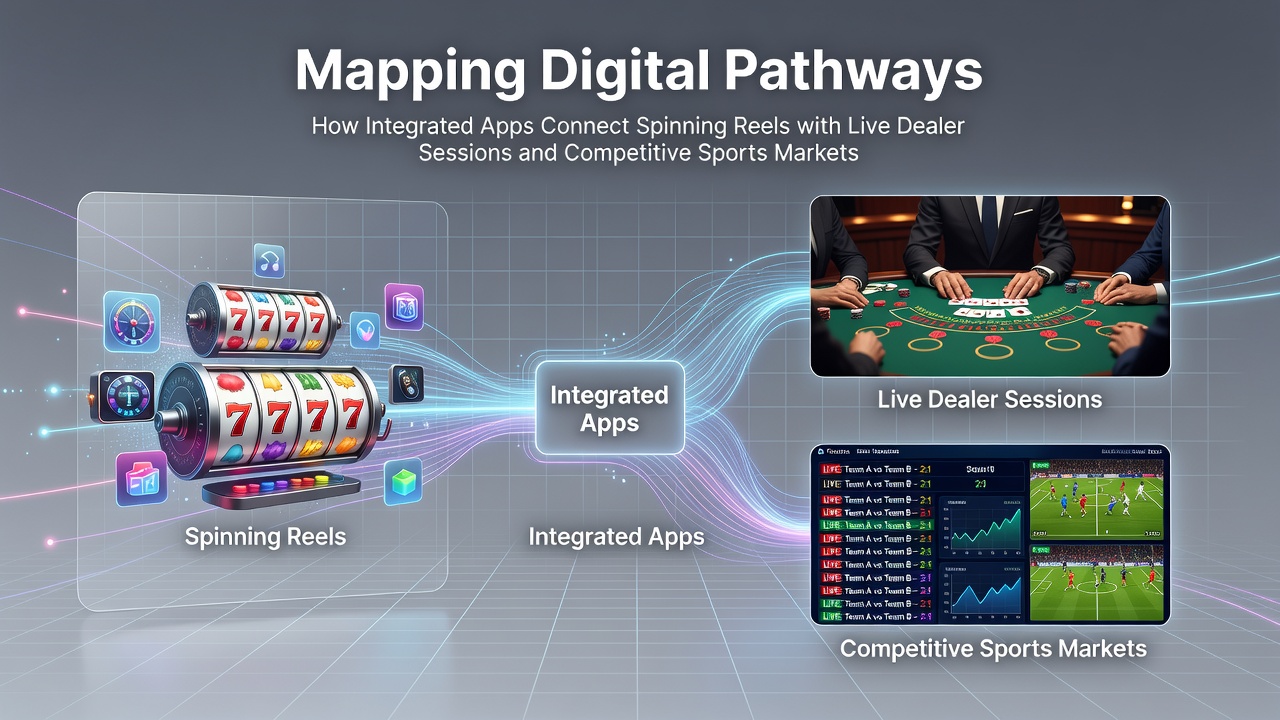
Integrated mobile applications now link slot mechanics, live dealer streams, and sports wagering interfaces within single user environments, allowing players to move between spinning reels and real-time dealer interactions or competitive odds without switching platforms. Data from industry reports show these connections rely on shared application programming interfaces that synchronize game states, account balances, and promotional triggers across different verticals. Observers note that such architectures emerged prominently after 2023 as operators responded to rising demand for seamless multi-game access on smartphones and tablets.
Core Technical Connections Behind Reel, Dealer, and Market Integration
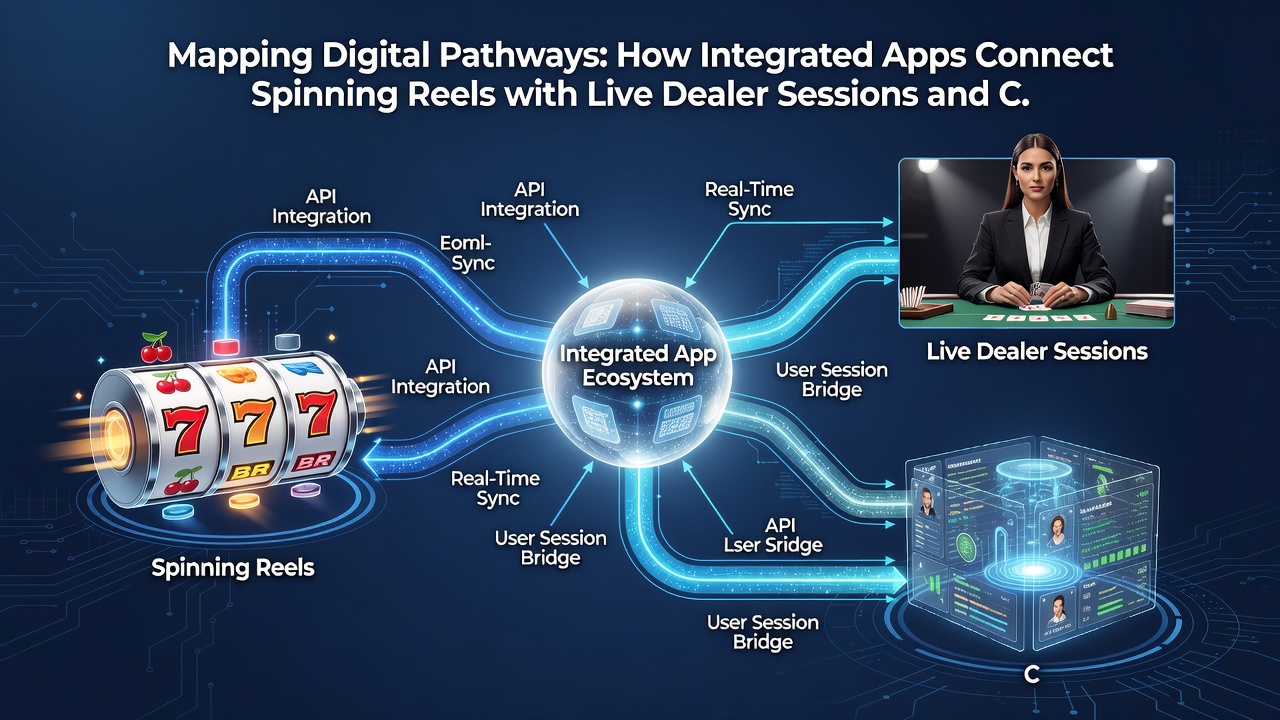
Developers build these pathways through centralized backend systems that pull real-time data from slot servers, streaming video feeds for live tables, and odds engines maintained by sportsbooks. A single login session therefore maintains consistent player profiles while updating reel outcomes, dealer card shuffles, and live match statistics simultaneously. Research indicates that cloud-based microservices handle the heavy lifting, routing requests so that a bonus earned on reels can transfer instantly to a live blackjack table or appear as enhanced odds in a soccer market.
Those who have examined platform architectures report that WebSocket protocols keep everything synchronized, delivering sub-second updates for both spinning symbols and changing sports lines. This setup reduces latency that once forced players to log out and back in when shifting activities. Figures from North American operators reveal average session lengths increased after these integrations launched, because users stay engaged longer when they can pivot from one game type to another inside the same app window.
Real-World Implementation Across Different Regions
Operators in regulated markets outside the United Kingdom have adopted similar frameworks, with examples visible in several Canadian provinces and Australian states where licensing frameworks permit multi-vertical platforms. A study released by the University of Nevada, Las Vegas gaming research center documented how integrated apps reduced player drop-off rates during transitions between slot sessions and live dealer tables. The same analysis noted that sports bettors using combined interfaces placed more frequent in-play wagers because reel bonuses could fund those bets directly.
August 2026 brings scheduled updates to several cross-border data standards that affect how these apps handle live feeds and transaction logging. Regulators in multiple jurisdictions plan to require enhanced encryption layers for simultaneous reel, dealer, and sports data streams, which developers have already begun incorporating into existing codebases. These changes aim to maintain consistent player protection measures while preserving the fluid movement between game types that users have come to expect.
Player Journey Examples in Combined Environments
Consider a typical sequence where someone starts with a set of reel spins, triggers a multiplier, and then redirects that value into a live dealer roulette session before checking updated tennis match odds. The app records each step under one account ledger, applies relevant promotions automatically, and displays progress toward loyalty tiers that span all three categories. Industry associations tracking these patterns report that such journeys now represent a growing share of total handle in markets with mature integration.
Payment rails also sit inside these connected systems, so deposits or withdrawals initiated after a live dealer win can fund an immediate sports accumulator without separate verification steps. Data compiled by the American Gaming Association shows that platforms offering this level of linkage recorded higher repeat deposit rates compared with siloed applications during the 2024-2025 period. The same datasets indicate that responsible gaming tools, such as session timers and spend limits, apply uniformly across reels, tables, and sports markets because the underlying user profile remains unified.
Future Technical and Regulatory Directions
Engineers continue refining how artificial intelligence personalizes the pathways between different game types, suggesting reel themes or live table variants based on recent sports betting activity. These recommendation engines draw from aggregated behavior across the entire platform rather than isolated verticals. European research institutions examining similar systems have published preliminary findings on how such personalization affects engagement metrics while maintaining compliance with local data rules.
Security protocols must now cover simultaneous access points, including encrypted video streams for dealers, RNG certification for reels, and real-time odds feeds for sports. Organizations monitoring global standards have begun drafting joint guidelines expected to influence app design well into the next decade. Observers tracking these developments note that successful integration depends on maintaining separate regulatory approvals for each vertical while presenting them through one interface.
Conclusion
Integrated applications have established direct connections between spinning reels, live dealer sessions, and competitive sports markets through shared technical infrastructure and unified account management. Reports from multiple regulated regions document measurable shifts in player behavior following these implementations, with longer sessions and cross-vertical fund transfers becoming standard features. As August 2026 approaches, ongoing updates to encryption and data standards will shape how these pathways continue to evolve while preserving the operational separation required by different licensing categories.