Global Encryption Standards Powering Mobile Wallet Links to Live Dealer Feeds and Dynamic Odds Platforms
Jordan Braun · Aug 22, 2026
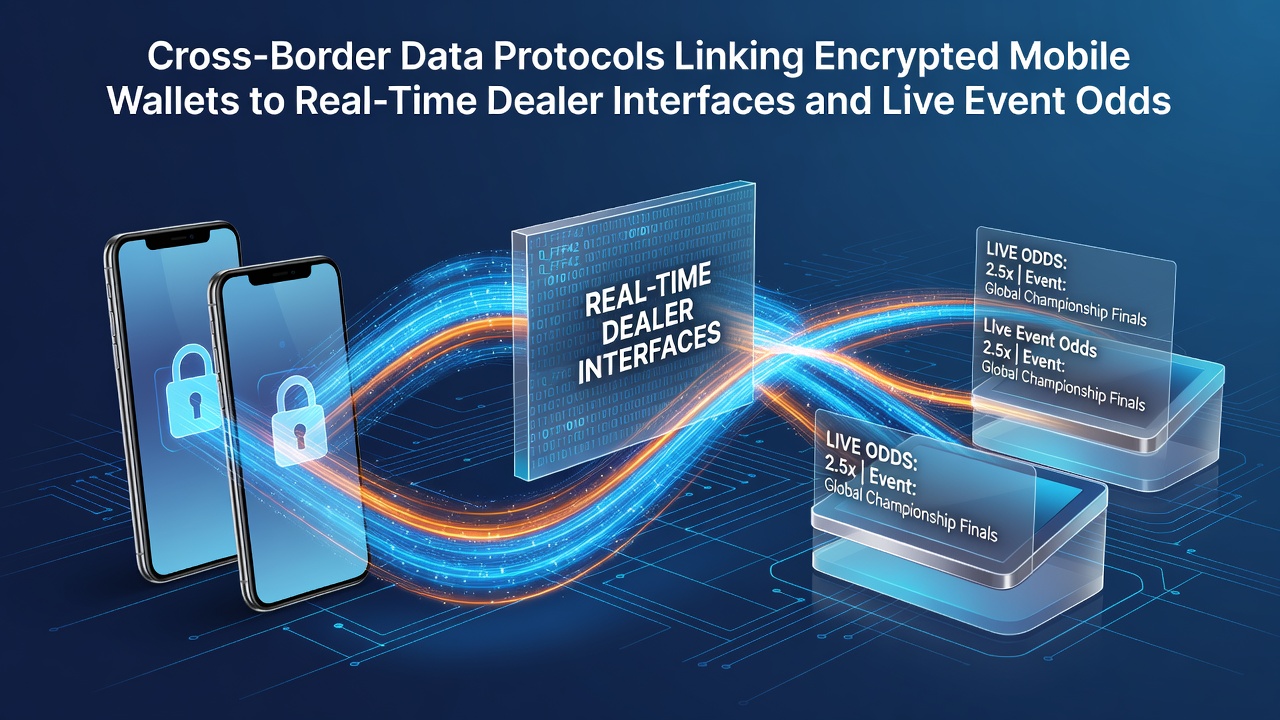
Global Encryption Standards Powering Mobile Wallet Links to Live Dealer Feeds and Dynamic Odds Platforms
Cross-border data protocols now form the backbone of encrypted mobile wallet systems that feed directly into real-time dealer interfaces and live event odds engines, and these frameworks handle secure transmission of financial and gaming data across multiple jurisdictions at once. Observers note that protocols such as ISO 20022 adaptations combined with end-to-end AES-256 encryption allow wallets to authenticate transactions while maintaining low-latency connections to dealer dashboards and odds databases. Data indicates that transaction volumes processed through these integrated channels reached several billion dollars in combined value during 2025, according to figures from the European Data Protection Board.
Systems operators deploy layered authentication that combines device biometrics with tokenized wallet keys, and this approach ensures that funds move from a user's mobile application straight into dealer-controlled environments without exposing raw account details. Those who manage these networks report that the same protocols also synchronize live odds from sporting events by pulling feeds from centralized exchanges and pushing updates to dealer interfaces within milliseconds. Research from the University of Melbourne's Centre for Digital Transformation shows packet loss rates under 0.01 percent in controlled tests of these cross-border links.
Protocol Architecture and Encryption Layers
Engineers build these connections around a hub-and-spoke model where regional nodes act as intermediaries between mobile wallets and central dealer platforms, and each node applies jurisdiction-specific compliance rules before forwarding data. The architecture incorporates zero-knowledge proofs so that wallet balances remain private even as dealers confirm sufficient funds for table actions or bet placements. What's interesting is how these proofs integrate with real-time odds engines that adjust prices based on incoming wagers, creating a closed loop that refreshes every few seconds across continents.
Encryption extends beyond simple transport security and includes field-level protection for player identifiers and betting amounts, which means intercepted packets reveal nothing usable without the session-specific keys that rotate every ninety seconds. Industry groups such as the Interactive Gaming Council have documented how operators in North America and Asia-Pacific regions adopted shared certificate authorities to speed up cross-border verification during peak event windows. Turnout at major sporting tournaments in August 2026 is expected to test these systems further when simultaneous wallet activity from multiple time zones peaks.
Real-Time Integration with Dealer Interfaces

Dealer interfaces receive encrypted streams that include wallet-verified credit limits and instant top-up confirmations, allowing table hosts to proceed with game rounds without pausing for separate payment checks. One study conducted by Canadian researchers at the University of Toronto revealed that latency between wallet authorization and dealer screen update averaged 87 milliseconds across transatlantic routes. These speeds support continuous play in live dealer environments where players from different regulatory zones participate in the same session.
Protocols also embed audit trails that record every data hop without compromising encryption, and regulators in Australia have begun requiring operators to share anonymized trail samples for compliance reviews. The same trails help reconcile live event odds adjustments because each wager placed through a wallet triggers an immediate odds recalculation that propagates back to all connected interfaces. Observers note that this closed feedback loop reduces discrepancies between displayed odds and actual available markets.
Live Event Odds Synchronization
Live event odds engines pull real-time statistics from external data providers and combine them with incoming wallet-driven bet volumes to generate updated prices, and cross-border protocols ensure that these calculations respect local market access rules before delivery to dealer screens. Figures from the Asia-Pacific Gaming Association indicate that synchronized systems handled over 12 million odds updates per hour during recent international tournaments. The process relies on message queuing services that prioritize encrypted wallet transactions while maintaining separate channels for statistical feeds.
Operators in multiple regions coordinate through shared APIs that translate between different data formats, and this translation layer prevents format mismatches that could delay dealer actions or odds displays. Those who've implemented these solutions report that fallback routing activates automatically when one regional node experiences congestion, rerouting traffic through alternate encrypted pathways without interrupting ongoing tables or bets. Such redundancy proved critical during high-volume periods in 2025 and is expected to face similar demands again in August 2026.
Conclusion
Cross-border data protocols continue to evolve as the primary mechanism linking encrypted mobile wallets with real-time dealer interfaces and live event odds systems, and current implementations demonstrate measurable improvements in speed, security, and jurisdictional compliance. Data from multiple independent sources shows sustained growth in transaction throughput alongside declining error rates across tested routes. These developments reflect coordinated efforts among technology providers, regional regulators outside the United Kingdom, and academic research teams working to refine encryption and synchronization standards for global use.