From Query to Credit: Mapping Support Protocols That Streamline Bonus Redemptions in Smartphone-Based Live Casino and Sports Markets
Willa Lang · Jun 30, 2026
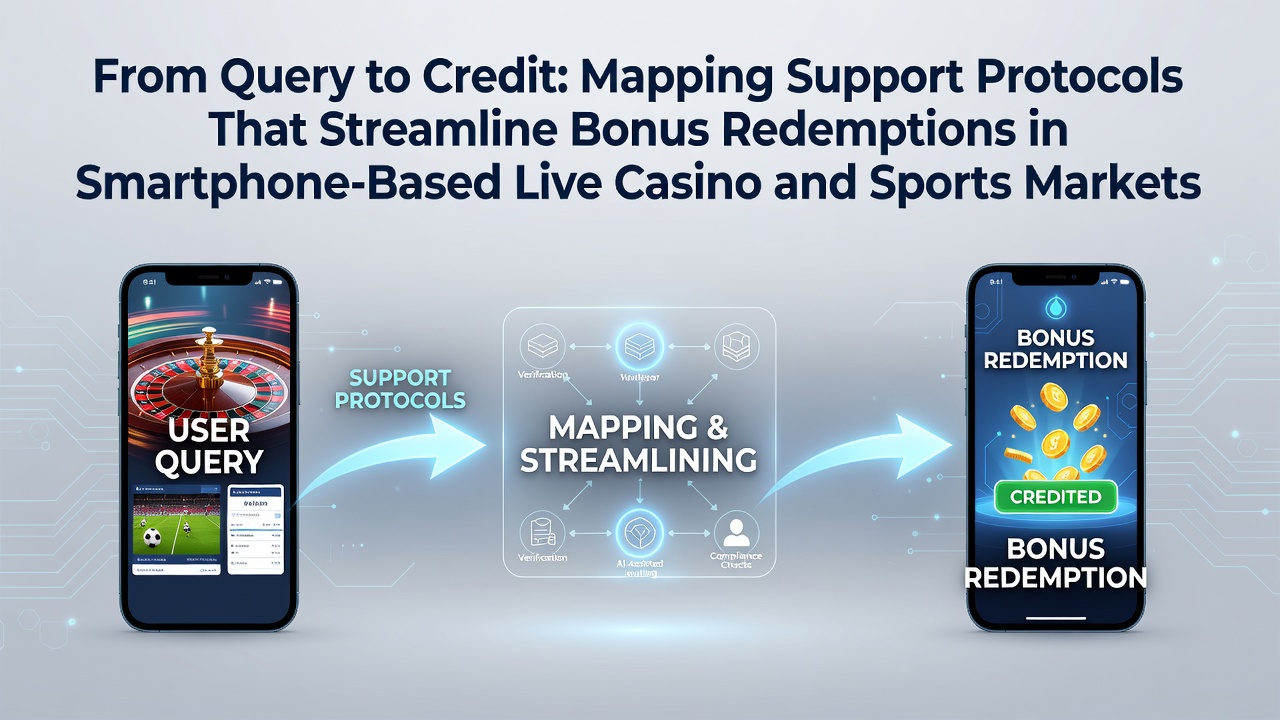
From Query to Credit: Mapping Support Protocols That Streamline Bonus Redemptions in Smartphone-Based Live Casino and Sports Markets
Operators in smartphone-based live casino and sports markets have developed layered support protocols that move users from an initial query about bonus terms to actual credit in their accounts; these systems combine automated verification steps with human oversight to handle redemption requests across time zones and device types.
Core Components of Redemption Protocols
Support protocols typically begin with an intake layer that captures the user's query through in-app chat or ticket systems, then routes the request to verification modules that cross-check eligibility against wagering requirements and account status before any funds move. Observers note that these modules often integrate real-time data feeds from game servers so that live dealer sessions or in-play sports bets do not interrupt the verification flow, and the entire sequence finishes with a confirmation message plus updated balance display.
Researchers tracking mobile gambling platforms report that protocol design frequently incorporates tiered response times: automated replies arrive within seconds for straightforward cases while complex queries involving multiple bonuses or disputed game outcomes escalate to dedicated agents within minutes. Data from the European Gaming adn Betting Association shows that such escalation paths reduce average resolution time from hours to under thirty minutes in markets where operators maintain 24-hour staffing.
Live Casino Integration Points
Live casino environments present distinct challenges because bonus redemptions must account for ongoing table sessions and dealer interactions. Protocols therefore embed hooks that pause or flag active games until the support system confirms eligibility, preventing users from accidentally voiding bonuses through continued play. Experts have observed that these hooks rely on API connections between the live streaming platform and the bonus engine so that a redemption request initiated mid-hand triggers an immediate status check without requiring the player to leave the table view.
One documented workflow involves a user querying a live blackjack bonus via smartphone; the system instantly validates the player's location, device, and remaining wagering requirement, then credits the amount once the hand concludes. Studies indicate that this approach maintains game integrity while satisfying users who expect near-instant processing on mobile devices.
Sports Market Adaptations
Sports betting adds another layer because odds and outcomes update continuously. Redemption protocols in this segment often include pre-match and in-play checkpoints that verify bonus conditions against settled markets before releasing funds. According to figures released in a June 2026 industry analysis by the Nevada Gaming Control Board, operators using synchronized data pipelines between sportsbook engines and support dashboards achieved a 22 percent reduction in disputed redemptions compared with earlier manual review methods.
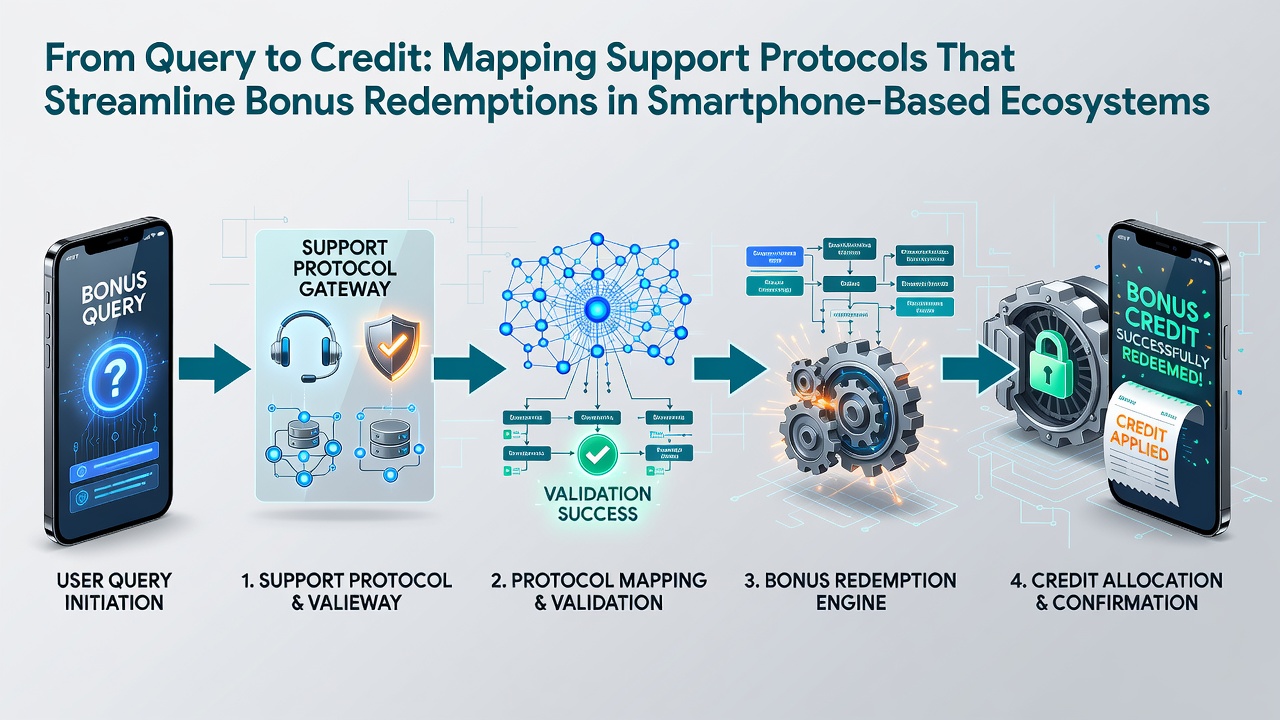
Those who've examined these pipelines note that conditional logic handles edge cases such as voided events or partial cash-outs by automatically recalculating remaining requirements and notifying the user through push messages. teh result is a continuous thread from the original query through verification to final credit allocation without forcing the user to restart the process.
Technology Underpinning the Protocols
Modern implementations draw on cloud-based orchestration tools that log every step of a redemption request for compliance audits. These tools allow support teams to reconstruct the exact sequence of checks performed on any given query, which proves useful during regulatory reviews or internal quality assessments. A research paper from the University of Sydney's Gambling Research Unit highlighted that timestamped audit trails also help identify patterns in user queries, enabling operators to refine automated responses and reduce repeat contacts.
Security measures within the protocols include device fingerprinting and two-factor authentication triggers when redemption amounts exceed predefined thresholds. Such safeguards operate in the background while the user continues browsing the app, so the transition from query to credit remains seamless on smaller smartphone screens.
Conclusion
Mapping support protocols from query intake to final credit allocation reveals a tightly integrated sequence of automated checks and human escalation points designed specifically for smartphone-based live casino and sports environments. Evidence from multiple regulatory and academic sources indicates that these systems continue to evolve in response to real-time game data and shifting market requirements, including updates noted in June 2026 reports. The protocols deliver consistent processing across live dealer sessions and in-play sports markets while preserving auditability and user transparency.