Fast-Paced Transactions Fueling Longer Engagement in Mobile Slot Play, Live Dealer Interactions, and Sports Market Bets
Jordan Braun · Aug 4, 2026
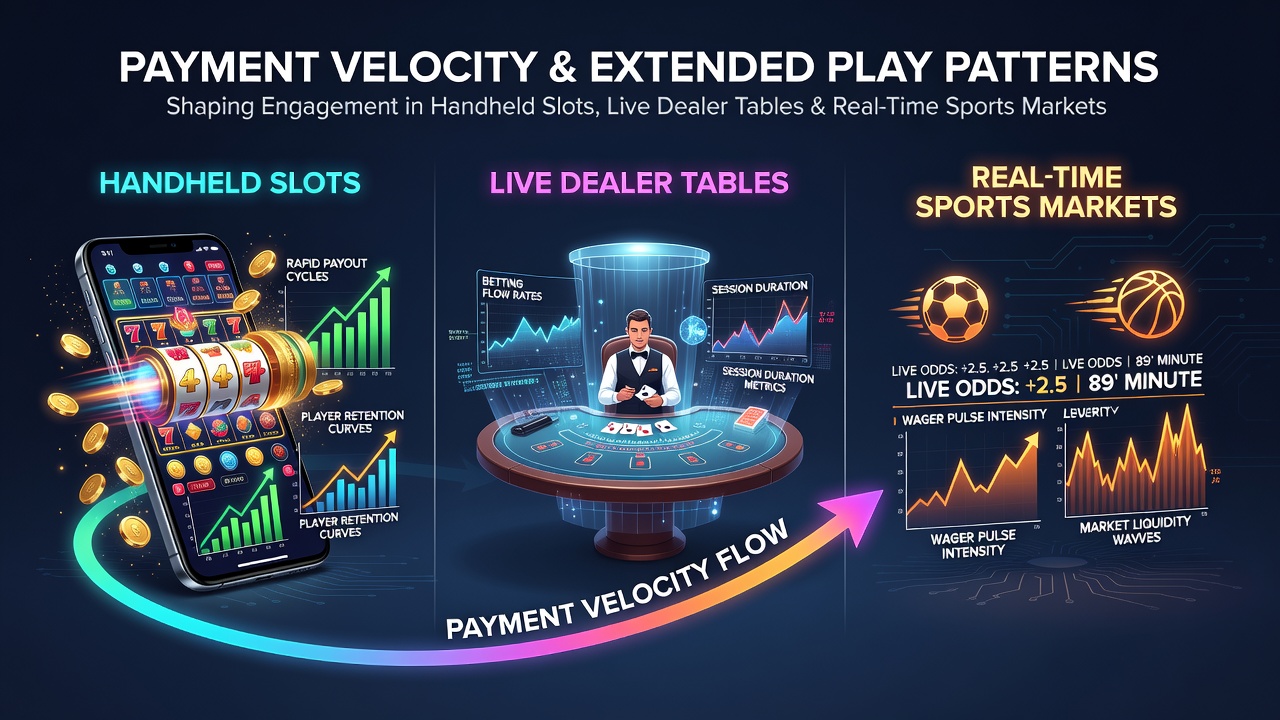
Fast-Paced Transactions Fueling Longer Engagement in Mobile Slot Play, Live Dealer Interactions, and Sports Market Bets
Data from multiple gaming sectors shows that quicker transaction processing correlates with extended user sessions across handheld slots, live dealer tables, and real-time sports markets, as funds move in and out without significant delays that once interrupted momentum. Observers note patterns where same-minute deposits and withdrawals allow participants to maintain focus on ongoing games rather than pausing for banking steps, and this holds true in environments where mobile access dominates daily activity.
Patterns Emerging in Handheld Slot Environments
Handheld slot platforms demonstrate clear links between payment velocity and session length, with systems enabling instant top-ups leading to repeated spins over longer periods, whereas slower methods often result in users logging off after initial plays. Research indicates that operators integrating wallet-based solutions see users extending time on reels by combining small, frequent deposits during bonus rounds or feature triggers, and this trend appears consistent across various device types used for portable gaming. Those who study these metrics point to data showing that when processing completes in under thirty seconds, engagement metrics rise noticeably compared to older card or wire options that required minutes or more.
Live Dealer Table Dynamics and Transaction Flow
Live dealer tables, streamed directly to smartphones and tablets, benefit from rapid payment cycles that let players adjust bets between rounds without leaving the stream interface, sustaining participation through multiple shoe shuffles or wheel spins. Evidence suggests integrated instant payout features reduce friction during high-stakes moments at blackjack or roulette, allowing continuous action that might otherwise break when funds need replenishment. Analysts tracking these sessions report that platforms offering sub-minute transfers between live tables and user accounts record higher average durations per visit, particularly when users switch between games mid-stream while maintaining balance continuity.
Real-Time Sports Markets and Velocity Effects
Real-time sports markets rely on immediate deposit capabilities during live events, where odds shift rapidly and participants need funds available to place in-play wagers without missing opportunities. Studies have found that when payment velocity supports deposits during halftime or between plays, session extensions occur as bettors stay logged in to monitor and adjust positions across multiple matches. Data reveals connections between quick withdrawal options after winning bets and subsequent re-entries into new markets, creating cycles where users remain active longer than in systems with delayed processing times.
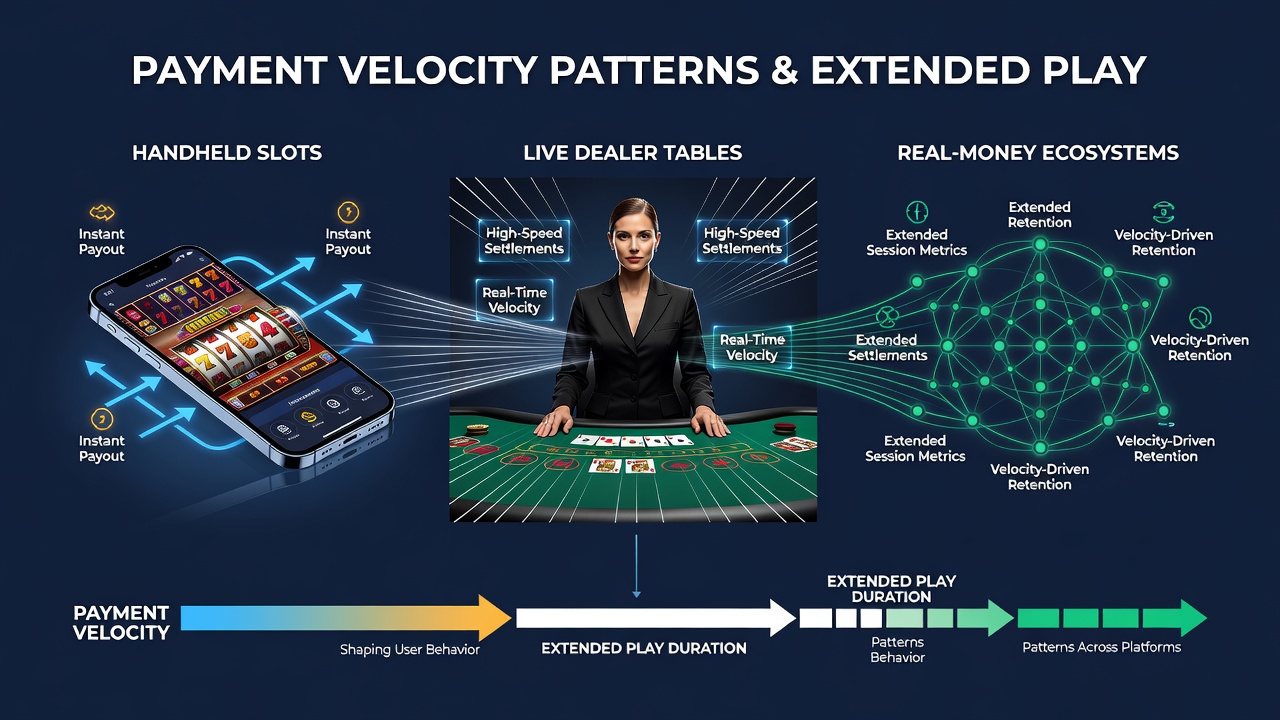
What's interesting is how these three areas intersect through shared payment infrastructure, since users often move between handheld slots during sports breaks and live dealer tables for variety, all while relying on the same velocity tools to keep balances fluid. Reports from industry organizations such as the European Gaming and Betting Association highlight that unified systems handling deposits across formats contribute to overall playtime increases, with figures showing multi-category engagement rising when transaction times drop below one minute consistently.
Insights from Broader Industry Data as of August 2026
Figures compiled through 2026 indicate that payment velocity tools continue shaping behavior across regions, with operators noting sustained session growth in markets where regulatory frameworks support faster financial rails without added verification layers. Academic sources including research from the University of Nevada, Las Vegas track these developments, revealing that users accessing slots, dealer streams, and sports bets via single accounts with instant capabilities demonstrate patterns of extended play that span several hours rather than isolated short bursts. Those monitoring global trends observe that regions adopting updated money service standards see corresponding rises in cross-format activity, as the ability to transfer value seamlessly reduces downtime between different gaming types.
Interconnected Behaviors Across Formats
Users frequently transition from sports market bets to handheld slots or live tables within the same session when payment systems allow balance updates without interruption, and this fluidity appears in aggregated usage logs from multiple platforms. Observers note that velocity patterns encourage longer overall exposure because the same deposit method works uniformly whether placing an accumulator or spinning reels during event lulls, and data supports that such integration prevents the drop-off rates seen in fragmented payment setups. Research indicates these behaviors hold across demographic groups, with younger participants showing particularly strong adherence to rapid-cycle engagement when mobile wallets handle all transfers.
Conclusion
Payment velocity patterns continue to influence how sessions unfold across handheld slots, live dealer tables, and real-time sports markets, with available data pointing to measurable extensions in play duration tied directly to processing speed. As systems evolve through 2026 and beyond, these connections remain central to understanding user activity flows in integrated gaming environments.