Charting Transaction Pathways to Assistance Hubs for Reward Activation in Mobile Slot and Table Game Sessions
Jordan Braun · Jun 27, 2026
Charting Transaction Pathways to Assistance Hubs for Reward Activation in Mobile Slot and Table Game Sessions
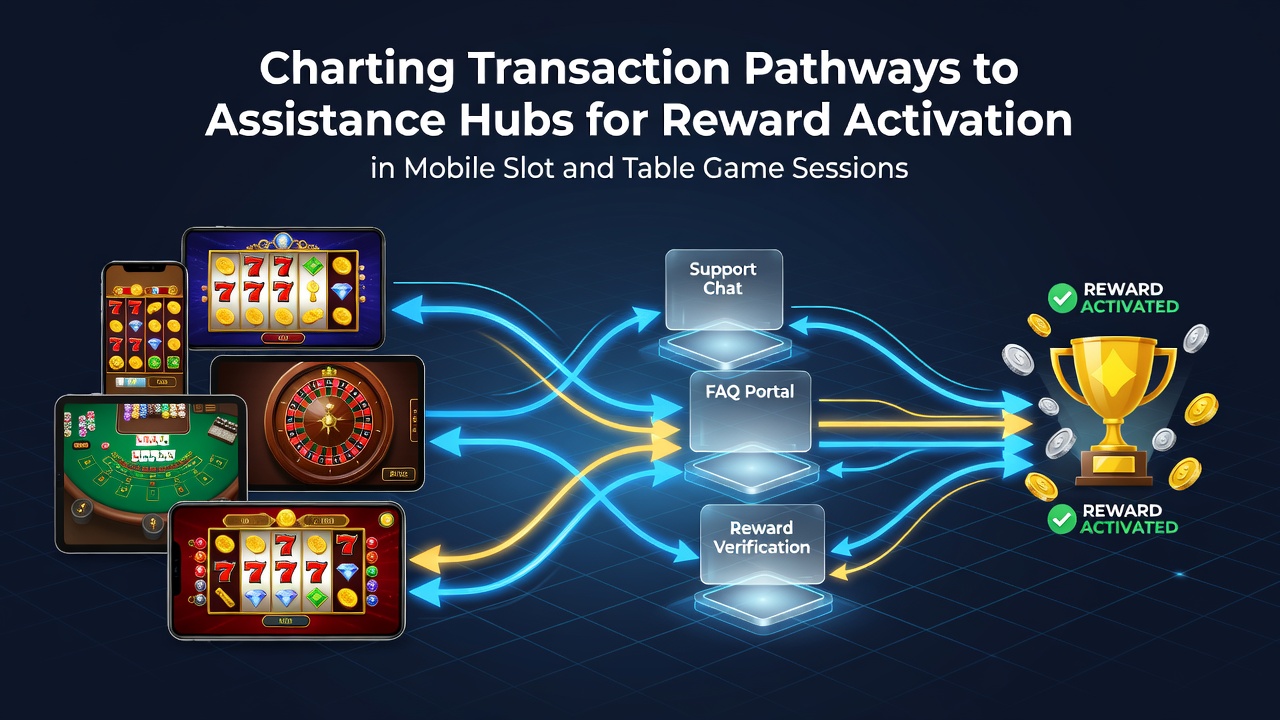
Transaction pathways in mobile gaming environments connect user deposits directly to assistance hubs that manage reward activation for slot and table game sessions, and data from industry reports shows these routes rely on secure payment processors integrated with operator backend systems. Mobile users initiate transfers through wallets or banking apps, after which automated verification protocols route the funds toward dedicated support centers responsible for crediting bonuses or promotional rewards in real time.
Mapping the Core Elements of Transaction Flows
Payment initiation begins when a player selects a deposit method on a mobile interface, triggering an API call that logs the amount, currency, and session identifier before forwarding details to an assistance hub. These hubs operate as centralized nodes that validate compliance checks and activate rewards such as free spins on slots or matched credits for table games like blackjack and roulette. Observers note that integration between mobile operating systems and gaming platforms reduces latency, allowing rewards to appear within the active session rather than requiring separate logins.
Assistance hubs handle multiple transaction types simultaneously, including instant deposits and scheduled payouts, while maintaining audit trails required by various regulatory frameworks. Research indicates that platforms processing high volumes of mobile traffic rely on these hubs to synchronize reward activation across slot reels and live dealer tables, ensuring consistency even during peak usage periods. In June 2026 several operators plan to update their hub software to incorporate enhanced encryption standards that align with emerging global data protection guidelines.
Slot Session Dynamics and Reward Triggers
Slot gameplay on smartphones often starts with a base wager funded by a recent deposit, after which the assistance hub monitors spin outcomes to determine eligibility for bonus features. When certain thresholds are met, such as consecutive losses or milestone achievements, the system routes a notification to the hub for reward disbursement. Figures from platform analytics reveal that players engaging in extended mobile slot sessions receive activated rewards at rates tied directly to transaction history, creating a seamless loop between funding and play incentives.
Developers design these pathways to accommodate both fixed and variable reward structures, with hubs adjusting credit values based on wager size and game volatility. Those who study mobile gaming patterns find that slot titles incorporating progressive elements benefit most from rapid hub responses, since delayed activations can interrupt momentum during bonus rounds.
Table Game Integration and Live Interaction Pathways
Table games accessed via mobile apps follow similar transaction routes but add layers for live dealer connectivity, where assistance hubs coordinate with streaming servers to apply rewards mid-session. A deposit processed through the pathway unlocks table-specific bonuses, such as insurance coverage on blackjack hands or enhanced payouts on roulette spins, once the hub confirms the funds and activates the corresponding promotion code. Data shows that live table environments demand lower latency than slots because real-time decisions depend on immediate credit availability.
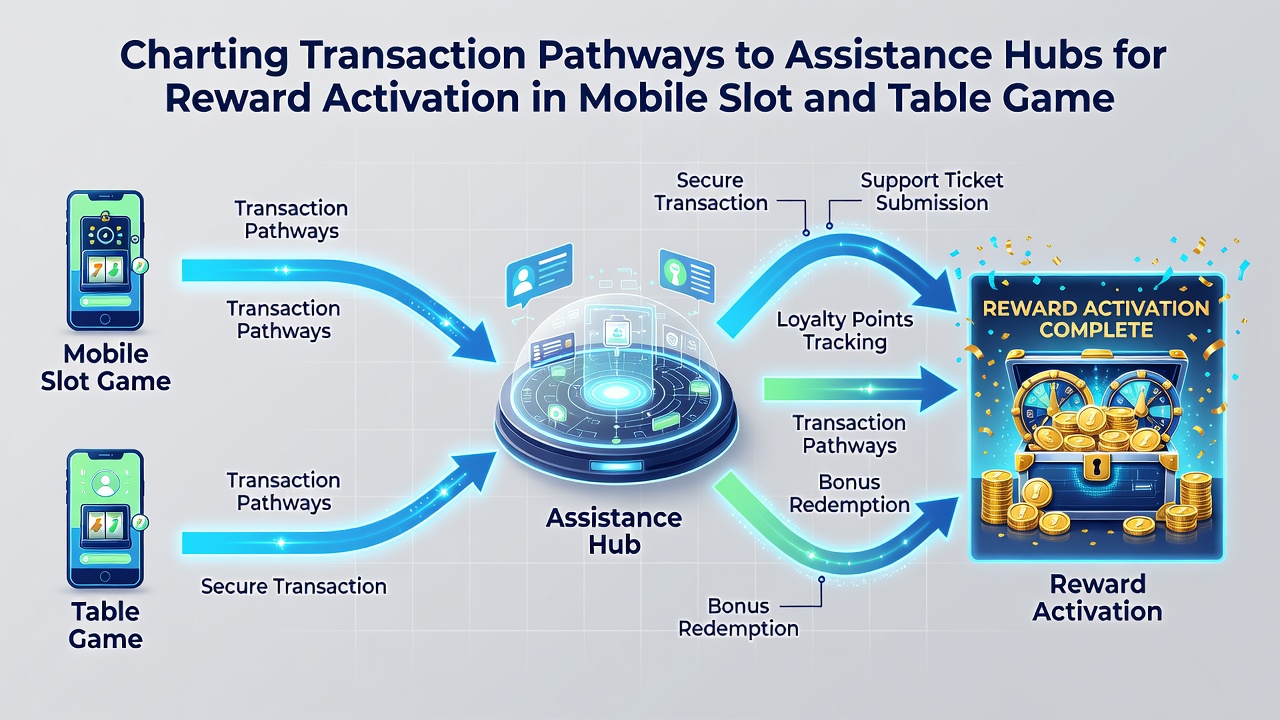
Hub operators employ rule-based engines that evaluate session data from both slots and tables to prioritize reward distribution. When a player switches between game types within one account, the pathway maintains continuity by carrying forward verified transaction details, preventing duplicate verifications that could slow gameplay. According to a report published by the American Gaming Association, synchronized hub systems contribute to higher session retention across mobile table offerings.
Regulatory Context and June 2026 Developments
Regulatory bodies outside the UK continue to refine requirements around transaction transparency and reward activation timelines. In regions such as New Jersey and parts of Australia, updated guidelines effective around June 2026 emphasize clearer documentation of how funds travel from mobile wallets to assistance hubs before rewards activate. These measures aim to strengthen player protection without disrupting existing mobile slot and table game flows.
Operators adapt by embedding compliance checks directly into pathway software, allowing hubs to flag anomalies during deposit processing. Research from academic institutions, including studies coordinated through the University of Las Vegas, indicates that proactive updates reduce the incidence of reward disputes by documenting each step in the transaction chain.
Technical Infrastructure Supporting the Pathways
Backend architecture for these systems combines cloud-based servers with edge computing nodes positioned near major mobile networks, which helps minimize delays when assistance hubs process reward triggers. Encryption protocols protect user data as transactions move through each stage, while APIs facilitate communication between the gaming client, payment gateway, and hub interface. Platforms that adopt standardized protocols report smoother reward activation during simultaneous slot and table sessions.
Security teams monitor these routes continuously, using anomaly detection tools to identify irregular patterns that might indicate attempted fraud. When such patterns surface, the hub can pause reward activation until additional verification occurs, preserving integrity across all connected mobile games.
Conclusion
Transaction pathways leading to assistance hubs form a critical component of reward activation in mobile slot and table game environments, with infrastructure improvements scheduled for mid-2026 expected to enhance both speed and security. Observers tracking industry metrics note that these systems continue to evolve in response to regulatory shifts and technological advances, supporting consistent player experiences across diverse gaming formats. Continued investment in hub connectivity and compliance tools positions operators to maintain reliable reward delivery as mobile participation grows.